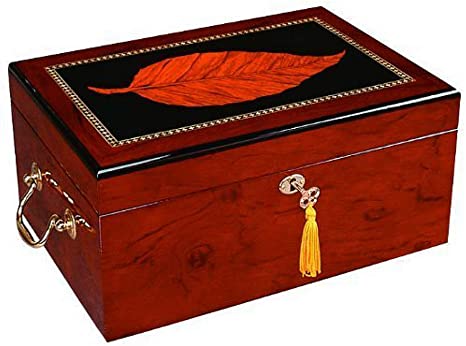
Spanish cedar is the gold standard lining material for cigar humidors, and for good reason. It absorbs and releases moisture, which helps maintain stable humidity levels inside the box. It imparts a subtle, pleasant aroma that complements the aging process. And it naturally repels tobacco beetles, which are every cigar collector worst nightmare.
If your humidor came with cedar lining, you are already in good shape.
But adding cedar sheets and dividers takes things further: they increase the total cedar surface area inside the humidor (improving humidity regulation), organize your cigars by brand, blend, or aging date, and prevent flavors from transferring between very different cigars stored in close proximity.
Spanish Cedar Sheets
Boveda Cedar Sheet Packs
Boveda, known primarily for their humidity packs, also sells thin Spanish cedar sheets sized for humidors.
These are about 1/16 inch thick, which is thin enough to lay flat between layers of cigars without taking up much space. Each sheet is kiln-dried and untreated, so it contributes pure Spanish cedar aroma without any chemical residue.
The sheets come in packs of 4 to 8 depending on the size. You can lay them flat between cigar rows, stand them vertically as dividers, or line the inside of a cooler humidor (tupperdor) to add cedar to an otherwise plastic environment.
For tupperdor users especially, these sheets are essential.
A plastic container offers no cedar benefit on its own, but lining it with Boveda cedar sheets gives you the moisture regulation and beetle resistance of a traditional humidor at a fraction of the cost.
Price is about $12 to $18 per pack.
F.e.s.s. Spanish Cedar Sheets
F.e.s.s. sells thicker Spanish cedar panels (about 1/8 inch) in larger sizes that you can cut to fit your specific humidor.
They come unfinished and ready to use. The thicker material holds more moisture and releases it more slowly, providing a more stable environment than thinner sheets.
These are a good choice for larger humidors, cabinet humidors, and cooler conversions where you need significant cedar coverage. You can cut them with a utility knife or fine-toothed saw to fit custom dimensions. Sand the cut edges lightly to prevent splinters.
The aroma is strong when you first open the package, which is a good sign. High-quality Spanish cedar has a distinctive warm, slightly sweet smell.
If the cedar is odorless or smells like generic lumber, it is probably not genuine Spanish cedar.
Price is about $15 to $25 depending on the pack size and sheet dimensions.
Cedar Dividers
Prestige Import Group Cedar Dividers
Prestige Import Group makes pre-cut cedar dividers designed to fit standard humidor sizes.
They slide into slots on the humidor tray or stand upright between cigar rows. The dividers create separate compartments within a single humidor, which is useful if you store cigars with very different flavor profiles and want to minimize flavor transfer.
For example, keeping infused or flavored cigars separate from traditional cigars prevents the infusion oils from migrating to your premium sticks.
A cedar divider between the two sections creates a barrier that significantly reduces transfer.
The dividers are finished smoothly and made from solid Spanish cedar. They fit most desktop humidors with standard tray configurations. If your humidor has an unusual size, you may need to trim them slightly.
Price is about $8 to $15 for a set of 2 to 4 dividers.
DIY Cedar Dividers
If you cannot find pre-cut dividers that fit your humidor, buying a sheet of Spanish cedar from a woodworking supplier and cutting your own is straightforward.
Spanish cedar is a soft wood that cuts easily with hand tools. A sheet of 1/4-inch Spanish cedar from a lumber supplier costs about $10 to $20 per board foot, which is enough material for multiple dividers.
Sand all surfaces and edges to 220-grit smoothness. Do not apply any finish, stain, or sealant. The cedar needs to breathe and interact with the humidity inside the humidor. Any coating defeats the purpose.
After cutting and sanding, let the dividers sit inside the humidor for a few days before adding cigars. This lets the cedar acclimate to the humidity level and stabilize.
When and Why to Use Cedar Sheets
Any time you separate layers of cigars, a cedar sheet between them prevents the cigars from directly contacting each other and promotes airflow.
Airflow matters because stagnant air in a tightly packed humidor can create microenvironments where humidity is higher or lower than the overall reading on your hygrometer.
Cedar sheets also serve as a sacrificial humidity buffer. If you open your humidor frequently (which you should try to minimize, but life happens), the cedar absorbs the ambient room air moisture change and releases it back slowly, giving your cigars a more stable environment than they would have in a bare box.
For long-term aging, cedar is essentially non-negotiable.
Cigars aged for years develop more complex flavors, and the cedar lining contributes subtle notes that enhance the aging process. Collectors who age cigars for 5 to 10 years often add extra cedar to their storage units specifically for this reason.
Maintaining Your Cedar
Cedar does not need much maintenance. If you notice mold (white fuzzy spots, not the harmless plume or bloom that sometimes appears on aging cigars), wipe the cedar with a cloth dampened in distilled water and let it dry completely before restoring cigars.
Mold on cedar usually indicates that humidity has been too high for too long.
Replace cedar sheets or dividers if they develop a musty smell that does not dissipate after airing out. Fresh Spanish cedar should always smell warm and aromatic. If it smells stale or off, it has absorbed too much moisture over time and is no longer contributing positively to the environment.
Every few years, lightly sanding the cedar surfaces with fine-grit sandpaper refreshes the aroma by exposing fresh wood beneath the surface layer. This is not strictly necessary, but it revitalizes the cedar scent in older humidors.